Buying a Restaurant or Cafe Business in Gujarat Today
Published 22 June 2026 · By Niraj Kumar Patel, Founder, Rivavya Create & Trade LLP
Buying a restaurant or cafe business in Gujarat requires particular attention to lease transferability, FSSAI and local trade licensing, staff and supplier continuity, and how much of the business's success depends on the current owner's personal relationships and presence.

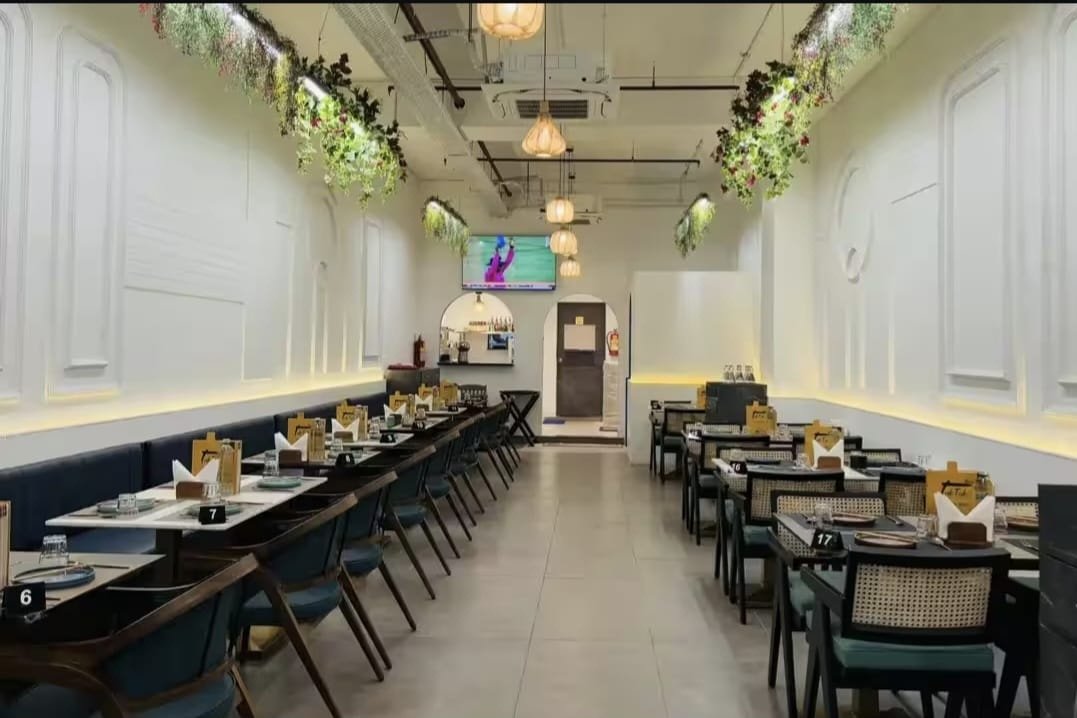
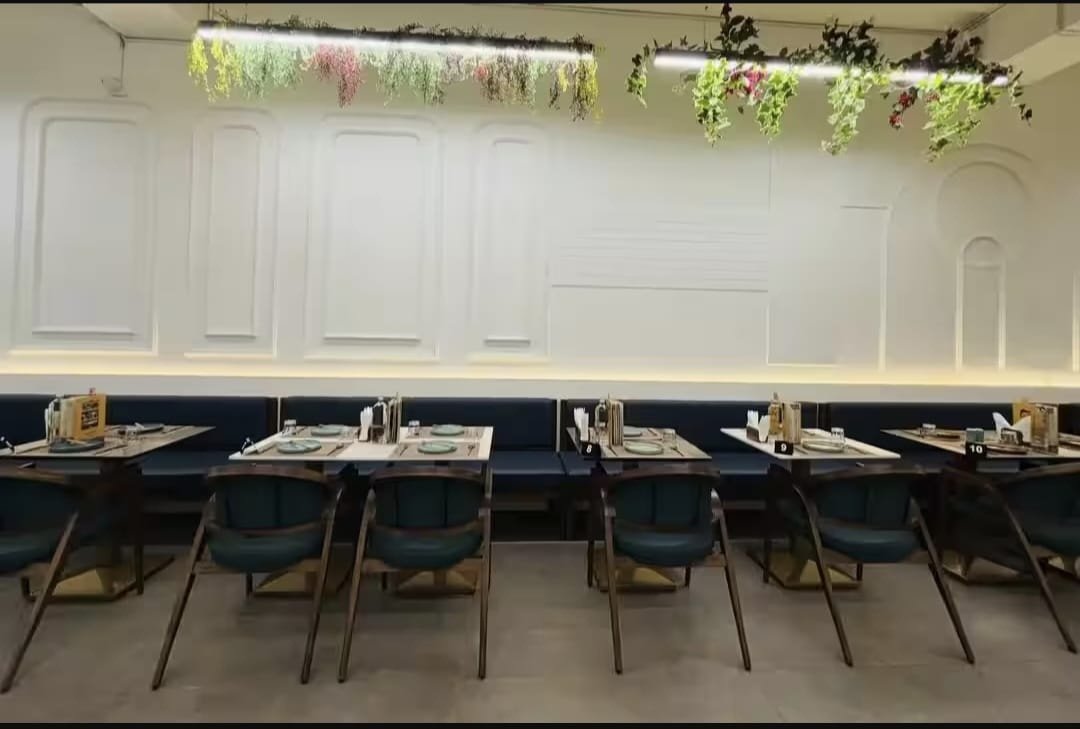
Lease Terms Matter More Than Usual
Location is often absolutely central to a restaurant's ongoing success. Review the remaining lease term carefully, the renewal conditions attached to it, and specifically whether the lease can genuinely be assigned to you before assuming the current location will remain available long-term under your ownership.
Licensing and Compliance
Food businesses require FSSAI registration, local trade licences, and often additional health and safety approvals depending on the specific municipality involved. Confirm these are genuinely current and transferable as part of your due diligence, since operating without them even briefly creates real, immediate regulatory risk.
Staff and Supplier Continuity
Kitchen staff, chefs and long-standing supplier relationships often carry genuinely significant informal value in F&B businesses that doesn't show up on any balance sheet. Understand which of these relationships are likely to continue under new ownership, and seriously consider building a proper transition period with the outgoing owner specifically to help preserve them.
Brand and Customer Loyalty
Assess carefully how much of the business genuinely depends on the current owner's personal reputation versus the brand and location itself — this distinction significantly affects how smoothly the business can transition to new ownership without a noticeable, damaging dip in customer traffic.
Reviewing the Kitchen and Equipment
Equipment condition and maintenance history matter considerably in F&B businesses specifically. Factor in likely near-term replacement or repair costs when evaluating the overall investment realistically, not just the headline purchase price being asked.
Understanding the Local Customer Base
Restaurant success is often closely tied to the immediate neighbourhood — footfall patterns throughout the day, nearby offices or residential density, and competing establishments in the vicinity. Spend real time observing the specific location at different times of day before finalising your overall assessment.
Explore Current Opportunities
Browse current restaurant and cafe opportunities in Gujarat or share your specific requirements directly with Rivavya.
Reviewing Online Presence and Delivery Platforms
Many restaurants and cafes today depend meaningfully on online food delivery platforms and social media presence for a real share of their revenue. Review ratings, order volumes and platform standing carefully, since a poor online reputation can be genuinely difficult and slow to rebuild after a change in ownership.
Seasonal and Event-Driven Revenue Patterns
F&B revenue in Gujarat often fluctuates around festivals, wedding season and local events. Review a full annual cycle of financials to understand genuine baseline performance, rather than judging the business purely on results from an unusually strong or weak season alone.
Recipe and Menu Continuity
Where a restaurant's appeal rests significantly on specific signature dishes, confirm whether recipes are properly documented or held only in the head chef's personal knowledge, and plan explicitly for recipe and quality continuity as part of your transition arrangement with the outgoing owner.
Understanding the Local Regulatory Environment
F&B businesses in Gujarat operate under a mix of state and municipal regulations covering health, safety and operating hours that can vary somewhat by city and even by specific ward or zone. Confirm the specific requirements for your target location rather than assuming uniform rules apply statewide.
Local municipal relationships, built up over years by the current owner, can also meaningfully ease day-to-day operations. Understanding whether these relationships are personal to the owner or tied to the business itself is worth exploring during due diligence.
Why Location Visits at Different Times Matter So Much
Financial statements alone genuinely cannot tell you how a restaurant or cafe actually performs during a typical Tuesday lunch service versus a busy Saturday evening, or how a location handles the sudden rush around a nearby office's lunch break compared with a quieter mid-afternoon lull, and this operational rhythm matters enormously to your realistic expectations as a new owner.
Visiting the same location at several genuinely different times — weekday and weekend, lunch and dinner, and ideally during at least one particularly busy period the current owner identifies as representative — gives you a far more grounded, realistic sense of staffing needs, customer flow and true capacity utilisation than any single visit or spreadsheet review could ever provide on its own.
Frequently Asked Questions
How important is the lease compared to other factors?
Very important for most restaurants specifically, since location often drives a genuinely large share of customer traffic that isn't easily replicated elsewhere in a different spot.
Should I retain the existing kitchen staff after taking over?
In most cases, yes, at least through a proper transition period — kitchen staff often hold valuable recipe knowledge and customer familiarity that's genuinely costly and slow to rebuild entirely from scratch.
Do restaurant valuations typically include equipment value separately?
Often yes, though the specific treatment varies by deal — this should be clarified explicitly during negotiation rather than assumed by either party.
Key Takeaways
- Lease assignability and remaining term are critical for location-dependent F&B businesses.
- Confirm FSSAI and trade licences are current and transferable.
- Assess staff and supplier continuity, and plan a transition period with the outgoing owner.
- Observe the location and customer base directly, not just through financial reports.
About This Guide & Rivavya
This guide is published by Takeover24, a business acquisition, sale and investment facilitation platform for Gujarat operated by Rivavya Create & Trade LLP. Rivavya was founded by Niraj Kumar Patel, who set up the firm to give Gujarat's business owners, buyers and investors a structured, confidential way to connect — without the guesswork, unverified claims and unqualified enquiries that so often come with open classifieds and informal broker networks.
Beyond Takeover24, Rivavya's broader practice spans franchise development, digital marketing, PPVL, website development, SEO/AEO/GEO optimisation, and store interior design — giving the team a genuinely practical, ground-level view of how small and mid-sized businesses across Gujarat actually operate day to day, not just a theoretical or purely financial perspective. Every guide published on Takeover24 is written to be factually accurate and genuinely useful to real buyers and sellers, not to oversell any particular opportunity or promise an outcome no one can honestly guarantee.
You can read more about Niraj Kumar Patel and Rivavya's approach on the About Takeover24 page, or connect with him directly on LinkedIn. If you have a specific question this article hasn't fully answered, reach out directly — a real, confidential conversation is often faster and more useful than reading through every guide on this site.
Related Reading
Ready to Explore Opportunities?
Browse current listings or tell Rivavya what you're looking for.